Latest News

Photo courtesy richmond.ca
Quick Guide for Richmond Newcomers Settling In

Published 2:52 PDT, Wed June 17, 2026
Last Updated: 3:01 PDT, Wed June 17, 2026


-
Quick Guide for Richmond Newcomers Settling In
BY BEZ CHAO
Moving to, or travelling to a new area can be overwhelming due to unfamiliar customs, infrastructure, and surroundings. To help newcomers settle in, Richmond Sentinel has compiled a list of useful resources for those who are familiarizing themselves with the City of Richmond. These resources include a newcomers’ guide, information on available support services, and a quick guide to getting around the city using public transit.
Richmond has a long and rich history. The city of Richmond was officially incorporated as a city on December 3, 1990 but prior to this, was initially incorporated as the Municipality of the Township of Richmond on November 10, 1879. Indigenous Peoples have lived on the islands that make up Richmond for thousands of years, relying on the Fraser River’s abundant salmon runs and natural resources. The first European settlers arrived in the 1860s, where agriculture quickly became a major industry. The salmon runs attracted Japanese fishermen in the 1880s. As the fishing industry grew, it attracted more people to the area like the Indigenous Peoples and Chinese railroad workers who had originally come to British Columbia to build the nation’s railway. Today, Richmond continues to welcome newcomers from across Canada and around the world, creating the culturally diverse and vibrant city.
The city of Richmond provides a number of free resources available for newcomers to learn more about their new community and the services available to help them settle into their new life in Richmond.
A great place to start is the “Newcomer’s Guide to Richmond” which can be accessed on the City of Richmond’s website www.richmond.ca - This guide provides a checklist that covers the necessary things to do right away upon arrival, especially if you are new to Canada. You must:
• Contact a settlement agency. Settlement agencies are organizations specialized in providing services for newcomers to Canada, including refugees and asylum seekers.
• Apply for a Social Insurance Number (SIN) to work or access government programs and benefits. A SIN is required to work in Richmond or anywhere in Canada. To apply, visit a local Service Canada Centre.
• Register for the Medical Services Plan (MSP) to access healthcare services. BC’s MSP is a public health insurance that pays for most medical care, allowing residents to see a doctor or visit a hospital. It is available to BC residents who are Canadian citizens or permanent residents (including government-assisted refugees). Temporary foreign workers with a work permit valid for six months or more and international students may access MSP after a waiting period of up to 3 to 6 months.
• Open a bank account. A variety of financial institutions, including traditional banks, online banks, and credit unions, are available in Richmond. They offer different types of bank accounts like everyday banking, savings, and investment accounts. Transferring money to someone in another country is also known as sending a remittance. Remittances can be sent to other countries through a variety of businesses and financial institutions.
• Find a place to live. Richmond’s diverse and welcoming neighbourhoods have a variety of housing options that include single-family homes, townhomes, condominiums, apartments, suites and an emergency shelter.
• Register children for school (if applicable). Richmond has an excellent school system made up of public and independent (private) schools. Public schools are fully funded by the government. Parents are not required to pay fees for their children to attend public schools. Independent schools are only partially funded by the government.
• Apply for a BC Services card. A BC Services Card is used to access health care services through MSP and other services that require a photo ID, like opening a bank account.
• Register for English classes. The Language Instruction for Newcomers to Canada (LINC) program provides basic and intermediate level English training for adult newcomers to Canada. These free English classes will improve the learners’ English reading, writing, listening and speaking skills, while providing them with information about their local community.
• Find a family doctor. Most family doctors work in family practice clinics outside of hospitals and help patients manage their health long term.
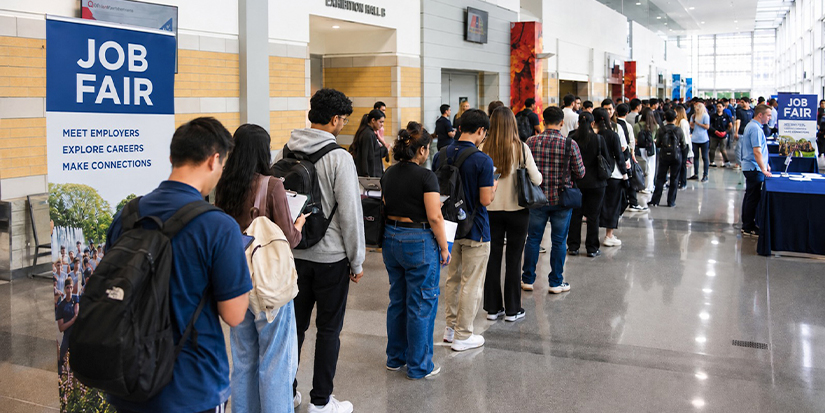
• Find employment. Settlement agencies can help job seekers look for jobs, connect with people in their field of work or inform them about job fairs. Job postings are also available online on job search sites. Many large companies post their job openings on their websites so these would also be a good place to look for employment.
Each section of the official guide includes more in-depth information on the subject so that you can become completely informed throughout the process.
Other important information is included in the full guide as well, such as: garbage and recycling collection schedules, information on taxes, continuing education for adults, resources for child care, information on transportation and how to get around the city, programs and services, community safety, recreational programs, and more.
The City of Richmond also offers a newcomers video series featuring stories of newcomers who have settled in Richmond and the resources provided to them to access services in the community. These videos can provide you with firsthand experience on what to expect when moving to Richmond!
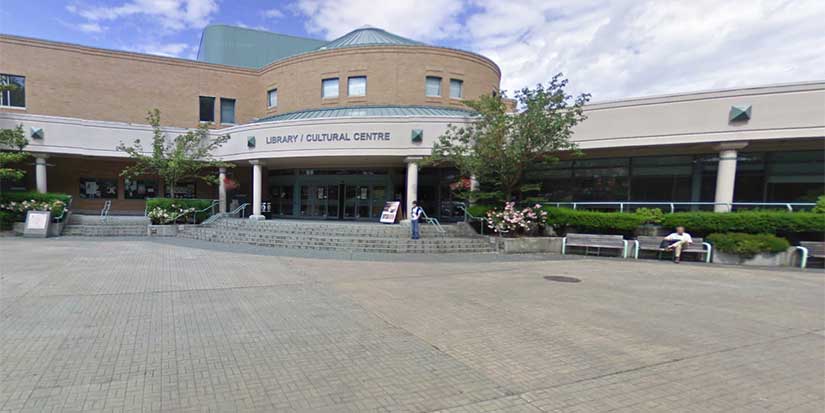
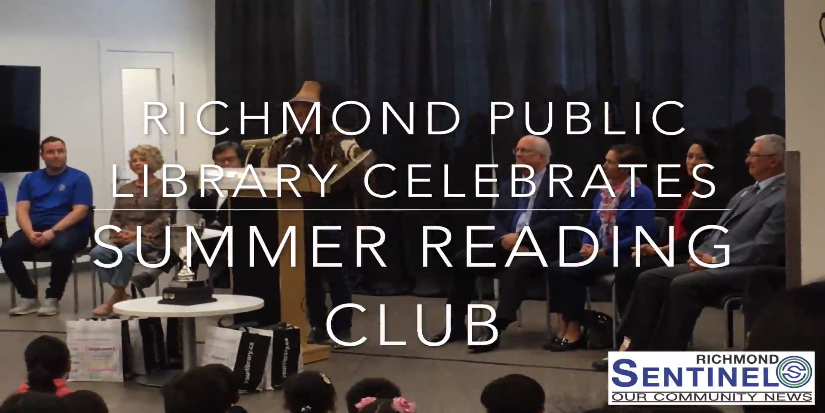
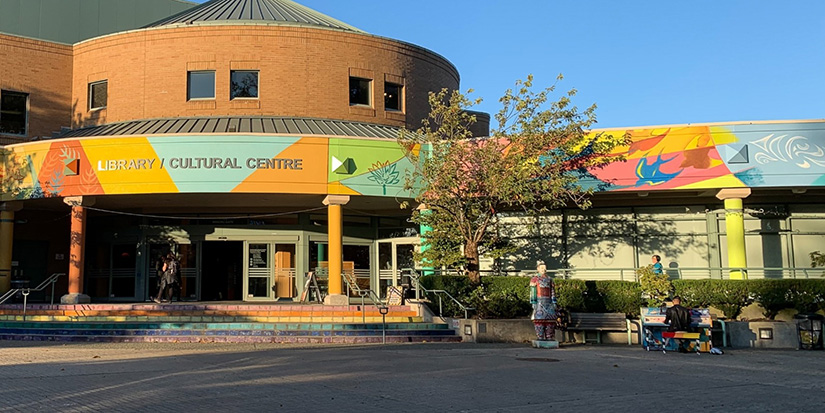
The Richmond Public Library is another helpful resource for newcomers. They provide a range of services and events to help you adjust, settle in, and become a part of the community.
Among their offerings are the Public Computer Labs which provide a range of free computer and internet services for those who may have limited or no access to those utilities. Given how essential internet access is today, this service can be especially useful for those without reliable access to online resources and services. They also provide low-cost printing options for leisure or to print out documents, forms, and resumes.
The library also offers a variety of free-to-attend events like Conversations in the Library which is a safe and welcoming environment to practice speaking English and doubles as an opportunity to meet new people who are also learning the language with you. For this event, drop-ins are welcome and usually take place on Tuesdays. However, be sure to check the event schedule for the exact times and locations.
Other useful resources from the library include the “Resume Clinic” where you can meet one-on-one with experts to improve your resume to help you on your job search. Plenty more resources can be found at your local public library or on their website, not to mention that the library is a wonderful space that’s free and accessible for everyone.
The province of British Columbia’s WelcomeBC webpage also provides a broad list of resources for those in need of any support services. These services aim to help with: child care, children and youth, driving, education, employment, healthcare, housing, hunger, legal issues, mental health crises and addiction, safety and security, senior, and settlement. Going through a crisis in a new country can be extremely challenging, so be sure to reach out for the help that is available to you.
Richmond Cares, Richmond Gives (RCRG) is another fantastic resource for not just newcomers, but for everyone in the community in need. RCRG connects volunteers with opportunities to support their community. Additionally, RCRG specializes in information and referral with a comprehensive online Community Services Directory while also offering clients one-on-one assistance in accessing community resources. Amongst some of these resources are senior community support services, child care resource and referral (CCRR), Richmond family and friend caregiver hub, neighbourhood small grants, the Richmond Christmas fund, and more. For more detailed information, visit the RCRG website or call their office at 604-279-7020.
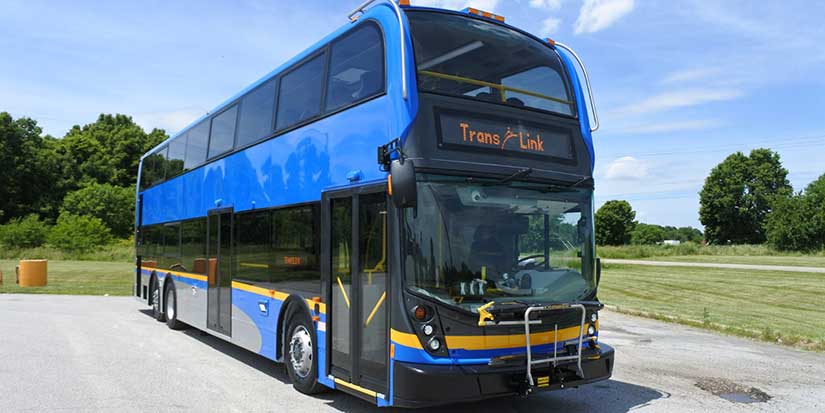
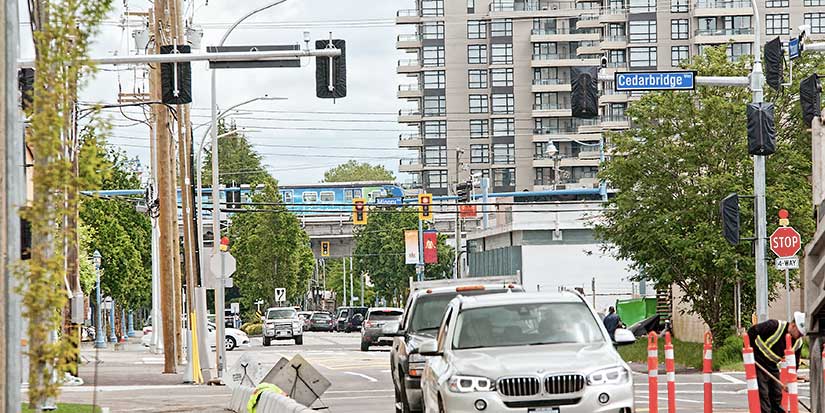
If you need to get around the city, you might want to familiarize yourself with how to travel via transit if you don’t have access to a car. Luckily, TransLink—the authority that plans and manages the region’s transportation system— provides bus and train routes that can take you pretty much anywhere you want to go (with a little bit of walking of course)! There are a couple things you can do to make your trip as smooth as possible.
Plan your trip using tools such as TransLink’s Trip Planner which can be found on their website. It allows you to type in where you want to start and end your journey, and it’ll provide you with a few options for the commute. Alternatively, you can use Google Maps which provides you with detailed routes as well as directions for the walking portion of your trip.
A little tip for when you’re waiting for your bus: you can text the 5-digit bus stop number found on the sign or the route number to, 33333 for TransLink real-time arrival times. You will receive the next two departure times for your specific stop or route within seconds.
You’ll also want to familiarize yourself with the cost of your trip and how to pay. TransLink routes and fares operate based on a three-zone system. Zone 1 is the city of Vancouver. Zone 2 is North Vancouver, Burnaby, Richmond, and New Westminster. Zone 3 includes the remaining municipalities like Surrey, Coquitlam, and Langley. Per TransLink’s website: “All bus, community shuttle, and HandyDART trips are a 1-Zone fare at all times. Skytrain and SeaBus fares can vary between a 1 and 3-Zone fare, depending on the number of boundaries you cross. The SeaBus alone requires a 2-Zone-fare. The exceptions to these zone fare rules are: after 6:30 p.m. Monday to Friday, and anytime on Saturday, Sunday, and holidays, all journeys across the system are a 1-Zone fare.”
To pay, you can buy a reloadable compass card which gives you a discount on your adult fare. You can also use contactless payment cards like Interac debit, American Express, Mastercard, Visa credit, or mobile wallets like Apple Pay, Google Pay, and Samsung Pay. Alternatively, you can also opt for a single-use Compass ticket at the Compass Vending Machine. There are often many travellers during peak hours, so be sure to take courteous actions while sharing space on transit, like giving priority to seats to those who need it and removing backpacks and large bags to make room for other passengers as they board and exit.
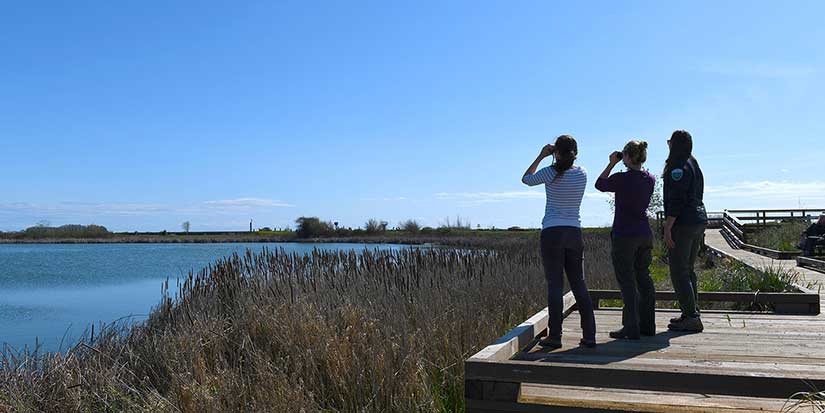
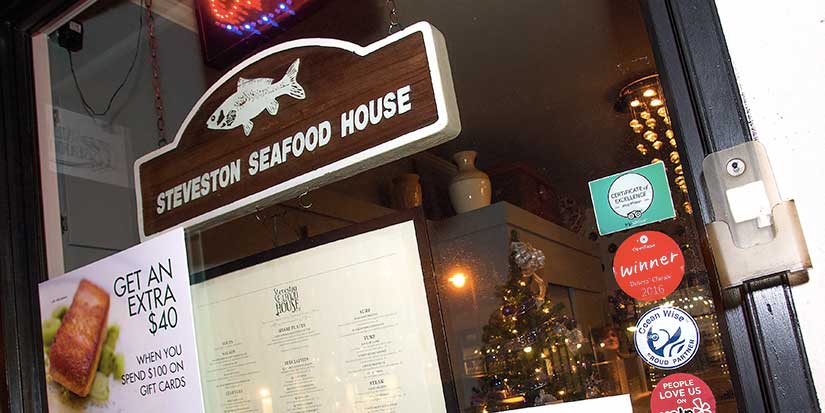
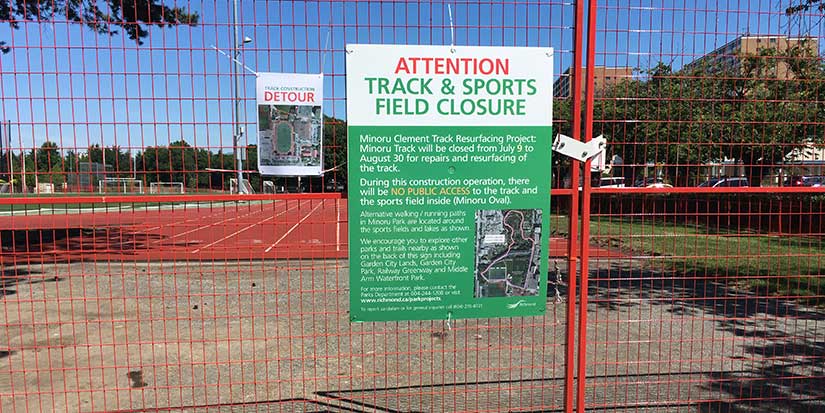
Richmond has plenty of accessible free and fun places to check out. The city has nine community centres: Cambie, City Centre, Hamilton, Sea Island, Seniors Centre at Minoru Centre for Active Living, South Arm, Steveston, Thompson, and West Richmond. There’s Minoru Park, the green heart of Richmond’s City Centre, featuring huge variety of things to do from walking routes to their premier sports facilities which host major sporting events from soccer to baseball to track and field. There’s also Garry Point Park, which is a large waterfront park located at the southwest tip of Richmond, close to historic Steveston Village. The park provides spectacular vistas across the Salish Sea and beyond to Vancouver Island and the Gulf Islands. Garry Point Park is considered by many to be one of the best places to watch a sunset in Richmond. Another suggestion is Iona Beach Regional Park, which is located north and west of Vancouver International Airport. It has an excellent viewing of land and sea, where you can observe a surprising mix of wilderness and commercial air and river traffic.
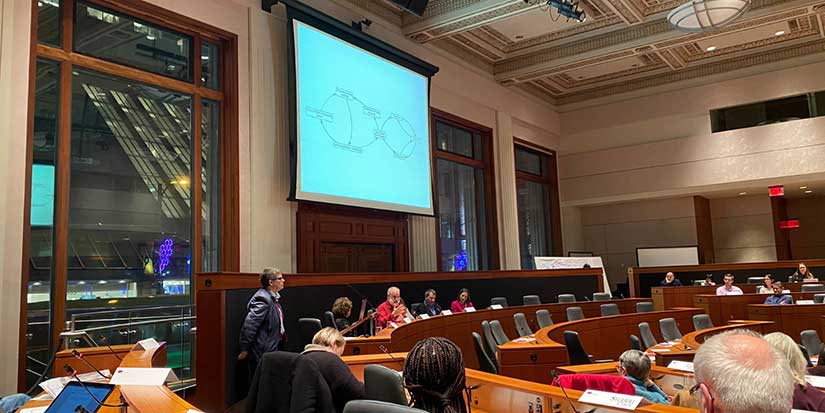
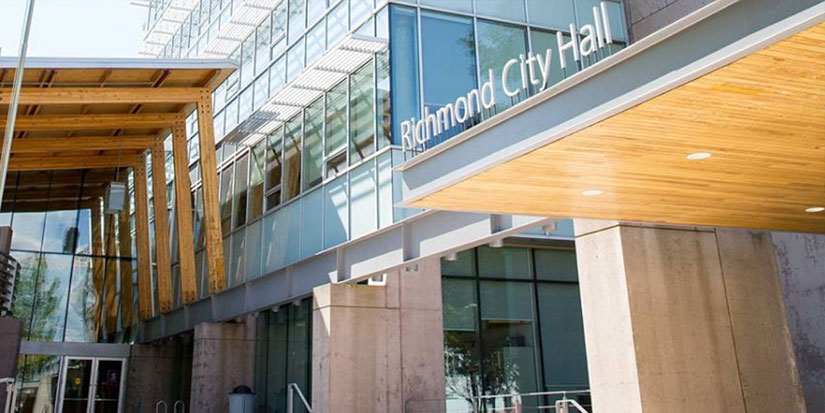
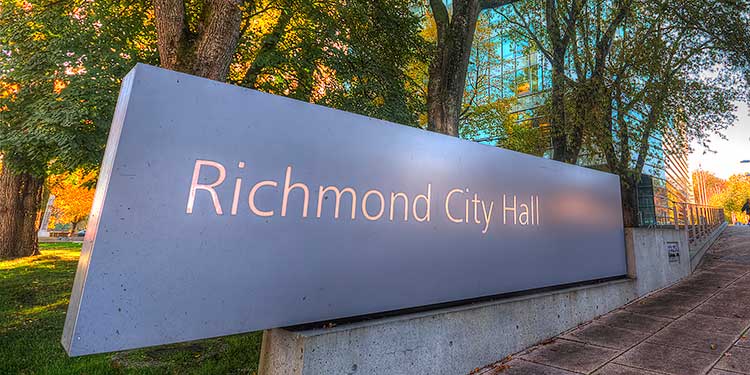
If you need to visit Richmond City Hall, it can be found at 6911 Number 3 Road, Richmond, BC V6Y 2C1. Elected officials and staff manage municipal government operations, including council meetings, public hearings, permitting, and tax payments. It also acts as a customer service centre for residents, handling services like program registration and waste management.
Richmond is among the most diverse and fast-growing cities in Canada. It is a great place not only to live, but also learn, work, and to play. We hope these resources help newcomers settle in smoothly. Welcome to Richmond!














































































































































2 Hours of free financial consulting
Jai Xin Planning Ltd.
C$120.00 C$0.00

Use any of our home staging service and get a second month rental for free!
MiiX Interiors
C$500.00 C$0.00

Get 10% off any order
Phantom Screens Lower Mainland
C$200.00 C$180.00